

WELCOME TO PRODUCTION NOTES
Film Notes from an Insider Who’s Always Felt Like an Outsider

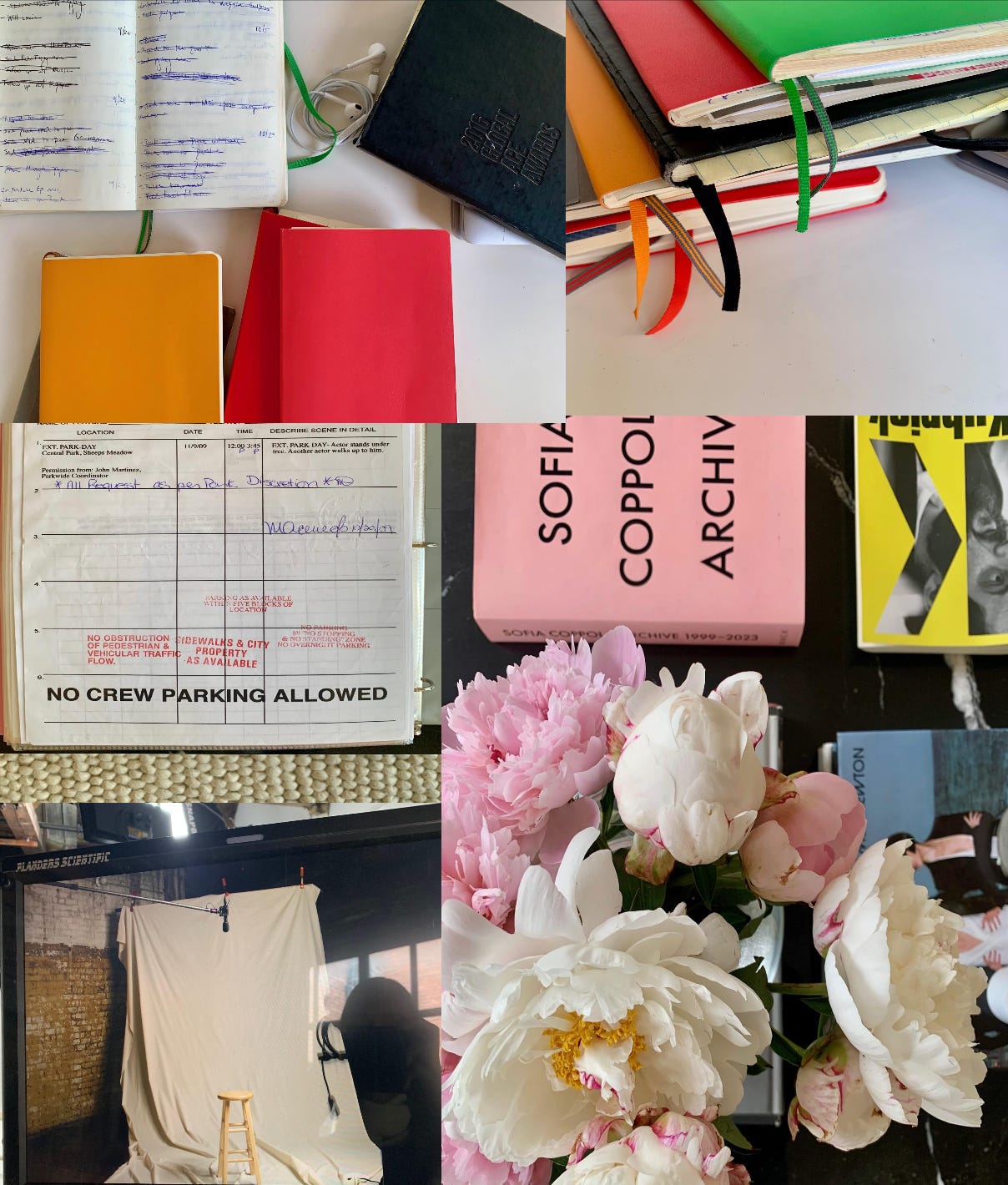
Since I was thirteen, I’ve always had a strong understanding that I wanted to be a filmmaker. Without my parents knowing, after watching a scene from A Clockwork Orange, I knew then—strangely—that this is what I wanted to do with my life.
Kubrick became my cinematic gateway drug to other films that I would sneak watch. These films (particularly anything Kubrick-related) represented a world that felt inconceivable to my thirteen-year-old brain. There was a visual language that felt both foreign and futuristic. It was outside the bounds of anything I’ve experienced, and I remember wanting to learn and understand how I could recreate that language in my films.
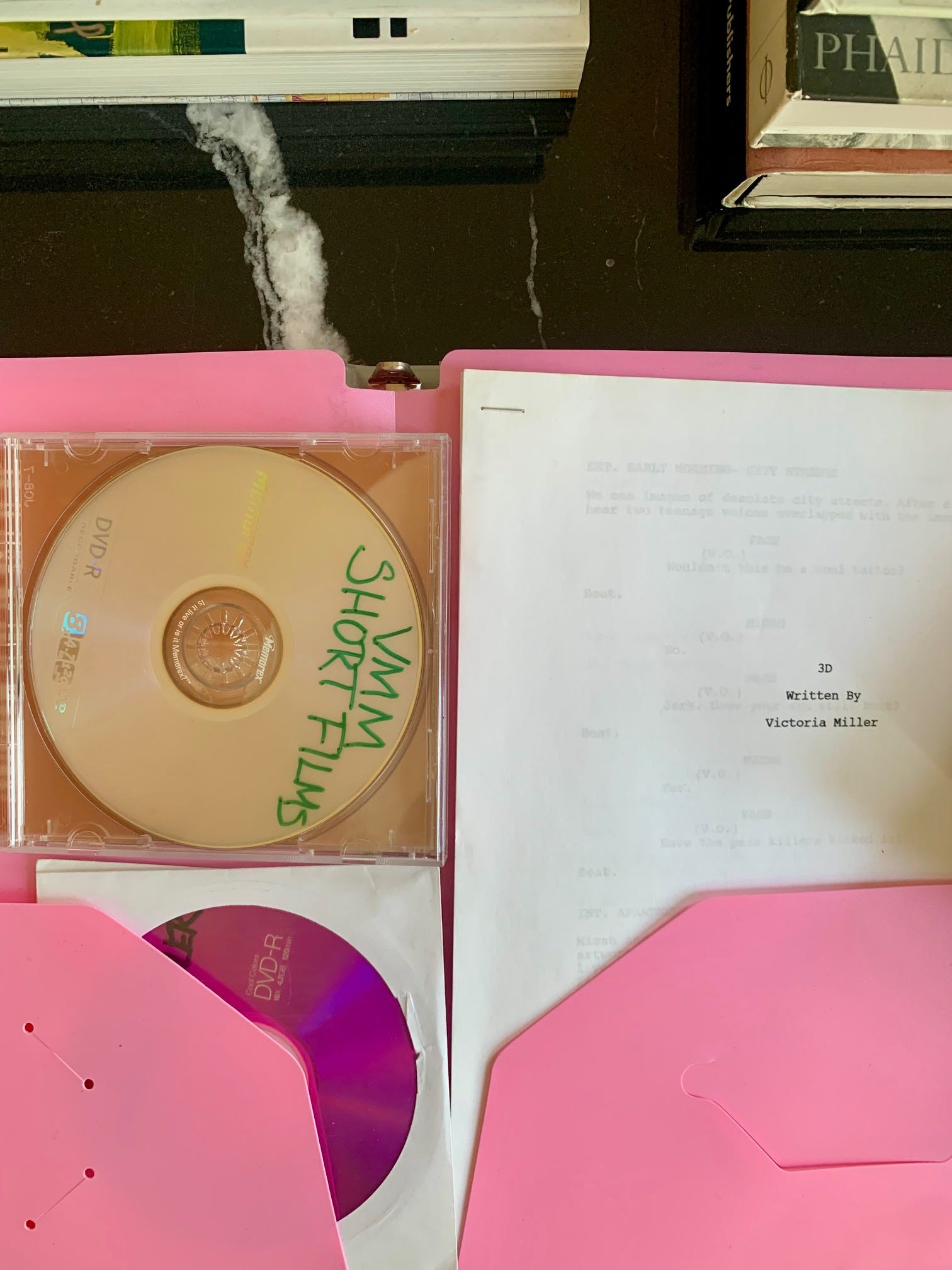
*Short films I made in graduate school
As I got older, I became more entrenched in film theory, studying it seriously in college, and then ultimately getting my Master’s degree in Film Theory and Criticism.
But there was something that felt inauthentic during this time. I had always wanted to write and direct. And there was a small part of me that knew I was hiding behind criticism because I was scared of production. But even more so, I was afraid to share my creative ideas.
It felt safer for me behind the confines of a keyboard and a semiotic book, critiquing the latest films, versus being critiqued. And as the days, months, and years went on, this continually grated at me. I had felt in many ways like a fraud.
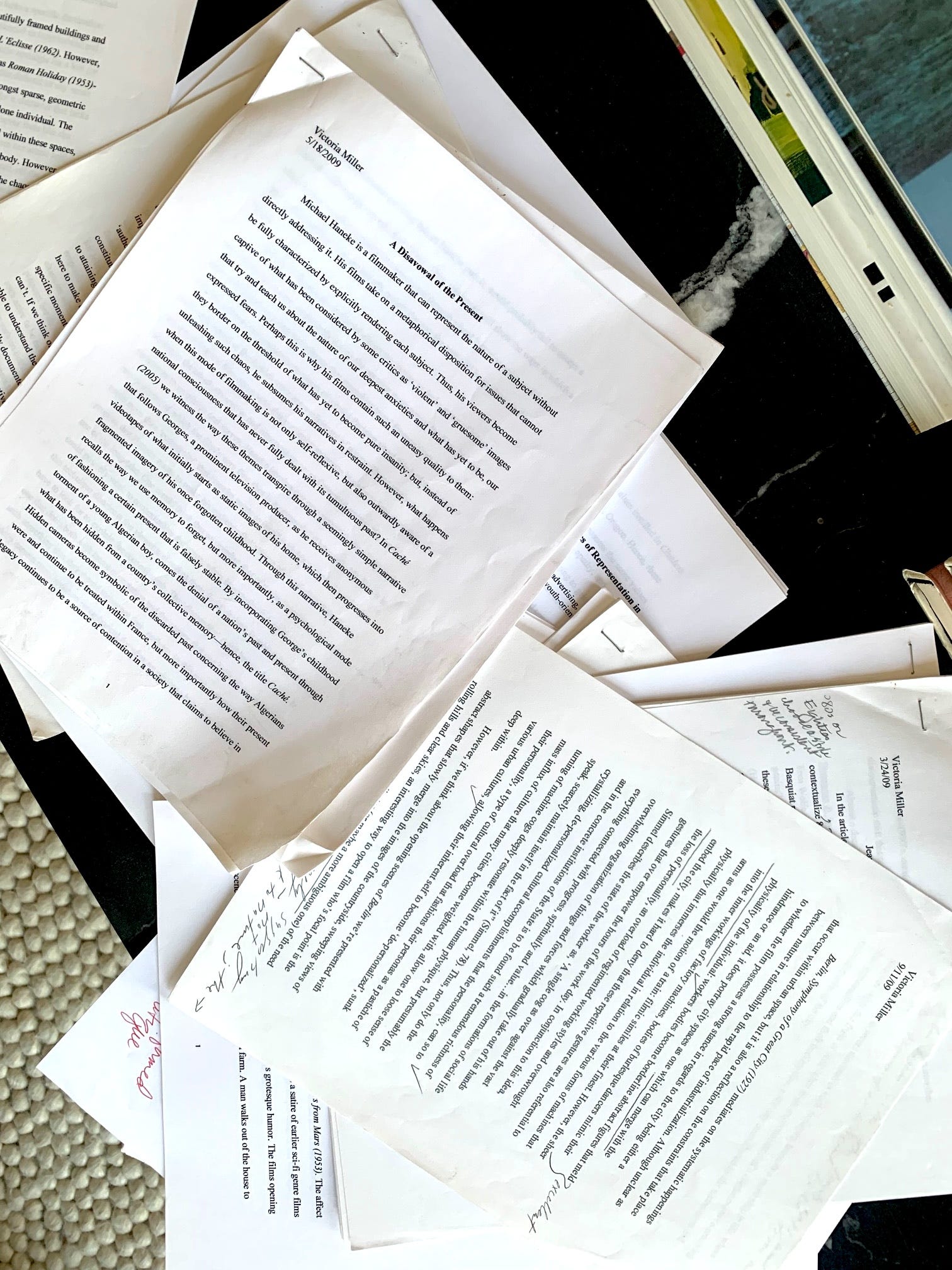
*Old film criticism essays from Graduate School
Before I continue, I want to shout out all of the film critics. As someone who now fully works in production, I don’t have a conception of what it’s like to be an actively working critic. I only have a small understanding from my time in graduate school, and even then, I think it’s generous to say I have a full scope of what the job entails.
My small takeaway has always been that critics are the tool through which we can understand larger cultural themes and trends that are happening within the work that’s being reviewed. The role of criticism is not only to understand the work at hand, but to shed light on our collective selves.
Once I graduated, I made a decision that I was going to dive head-first into production. Naively, I thought I would learn the production ropes, direct, get an agent, go to Sundance, and then be on my way to success.
None of these things happened.
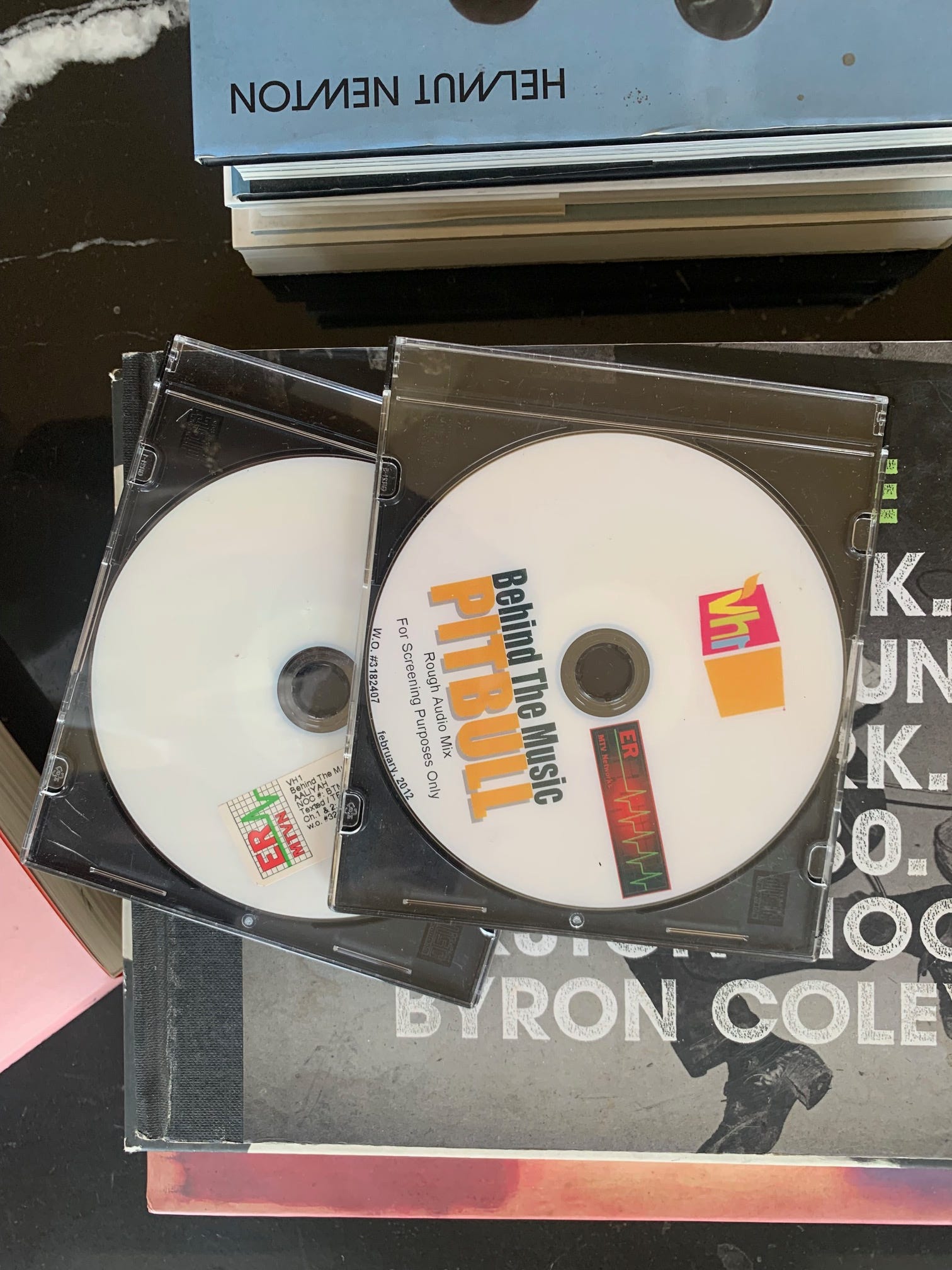
*Old copies of Behind The Music: Pitbull. My First Production Assistant Job
Instead, I worked my way up as a Production Assistant, an Associate Producer, a Line Producer, a Creative Producer, and then somehow I landed a role as an Executive Producer. My experience in these roles ran the gamut from television to production companies, corporate to commercials. And as I was doing these full-time roles, I was always writing screenplays, praying for my big break. I was always looking outside of myself and thought that someone– a production company, an agent, a manager would come and save me.
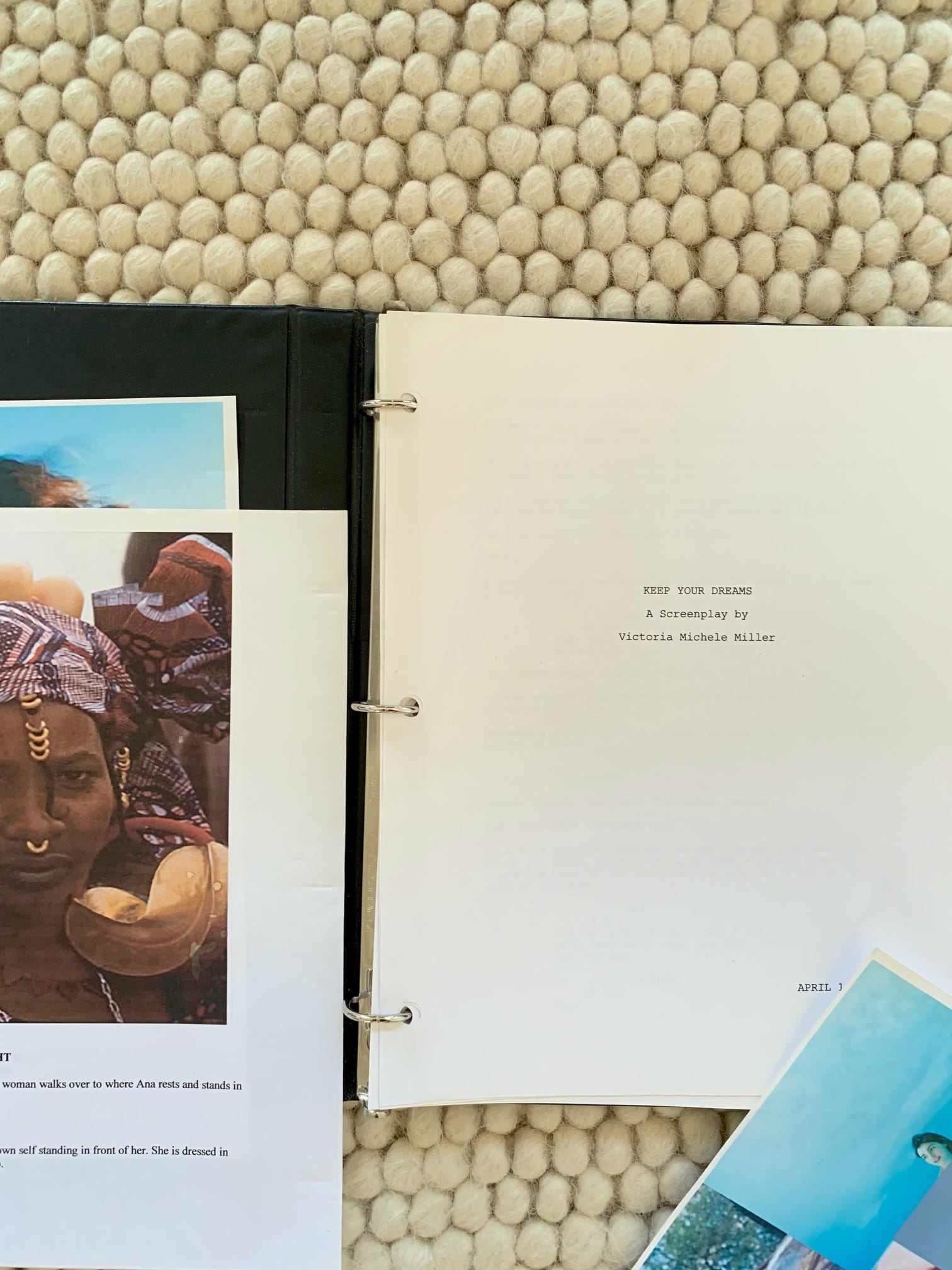
*An old screenplay
As the projects became bigger, the further I found myself from directing. Most people didn’t even know I wanted to direct. And when I told them this, they were surprised–and for some reason, I always found myself embarrassed.
I was grateful to make a living as a Producer. But it was (and still is) hard: I burnt out quickly. Long hours on set left my body drained. Difficult and exacting clients made me more skilled, but increased an unhealthy sense of perfectionism. Colleagues I was in the trenches with became lifelong friends. I clashed with bosses (not all of them, but most).
Despite this, there was something that sat right in my soul when I saw the final cut. It’s the reason why I would continue to work in production regardless of its hurdles. I was chasing a feeling.
Even though I had built a career as a producer in branded content, in many respects, I still felt like an outsider. Sometimes it felt silly asking those in my network how I should go about making my first feature. I had never produced or directed a feature film. And for some, the assumption was that, because I had “producer” in my title, I should technically know. And to a certain extent, I did know, I knew how to execute. But from a business and financing standpoint, I had no clue.
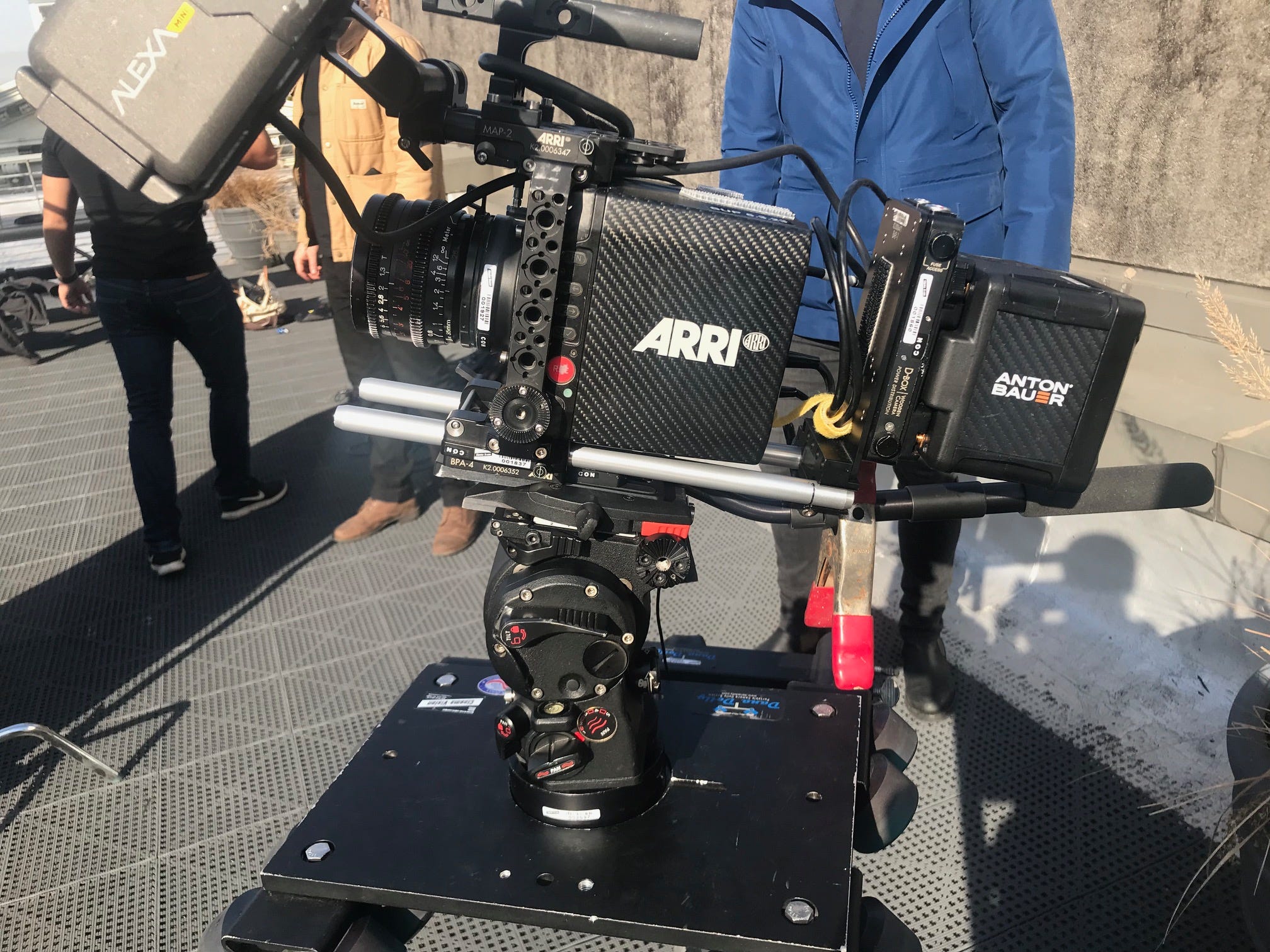
This summer I decided to strike out on my own and direct a screenplay that I’ve been working on for the past three years. I couldn’t continue to tell myself that I’ll try and get this made “next year” or “I’ll do it when I have time.” I had to get this made, and I am going to start with a proof of concept.
This platform will serve as a journal of sorts—raw notes documenting what it takes to make a feature-length film during a time of significant change in film production, the creative process, and thoughts on the industry as a whole.
As someone who has spent most of their career behind the camera, I’m pushing myself to put my ideas out into the open, to gain more comfort in expressing myself, with the hope that one day I’ll be able to do that with my films.
I made my first feature on a SAG ULB in 2022. If you have any questions about the process, hit me up. Really. We have to help each other.
Thanks for sharing this! I'll be following eagerly.