

Unfinished Archive
Notes on visuals

Now that it’s October, I’m seeing the ways I’ve been so focused on production and casting that I haven’t really allowed myself to sink into the creative. Usually, when I have an idea, it’s so clear in my head that sometimes my point of reference can be just a painting or a still from a film.
Invisible Moves is one of those projects that has lived with me for so long that I forget when it’s time to select a DP, I’ll need to break down these aesthetic references that are coded in me. I’ve been torn about whether I should share every single detail about the film. Sometimes I fall into the habit of telling rather than showing, but breaking down my inspirations feels like a necessary exercise as we continue to move into the next phase of this project.
I started writing Invisible Moves around 2021. At the time, I was working on some of the most demanding productions I’ve ever had in my career and wasn’t able to finish the script until last year. I have other screenplays I considered moving forward with, but Invisible Moves intuitively felt like the right project to try to get off the ground.
It’s a story with a small cast that takes place during The Great Depression. I knew a trailer or proof of concept would be feasible from a budgetary standpoint because the majority of the film takes place outside. We wouldn’t have to worry about interior locations or set design, and instead, nature would serve as a secondary character in the film. I was heavily influenced by naturalistic filmmakers like Malick, who frequently placed nature as central touchstones in their work.
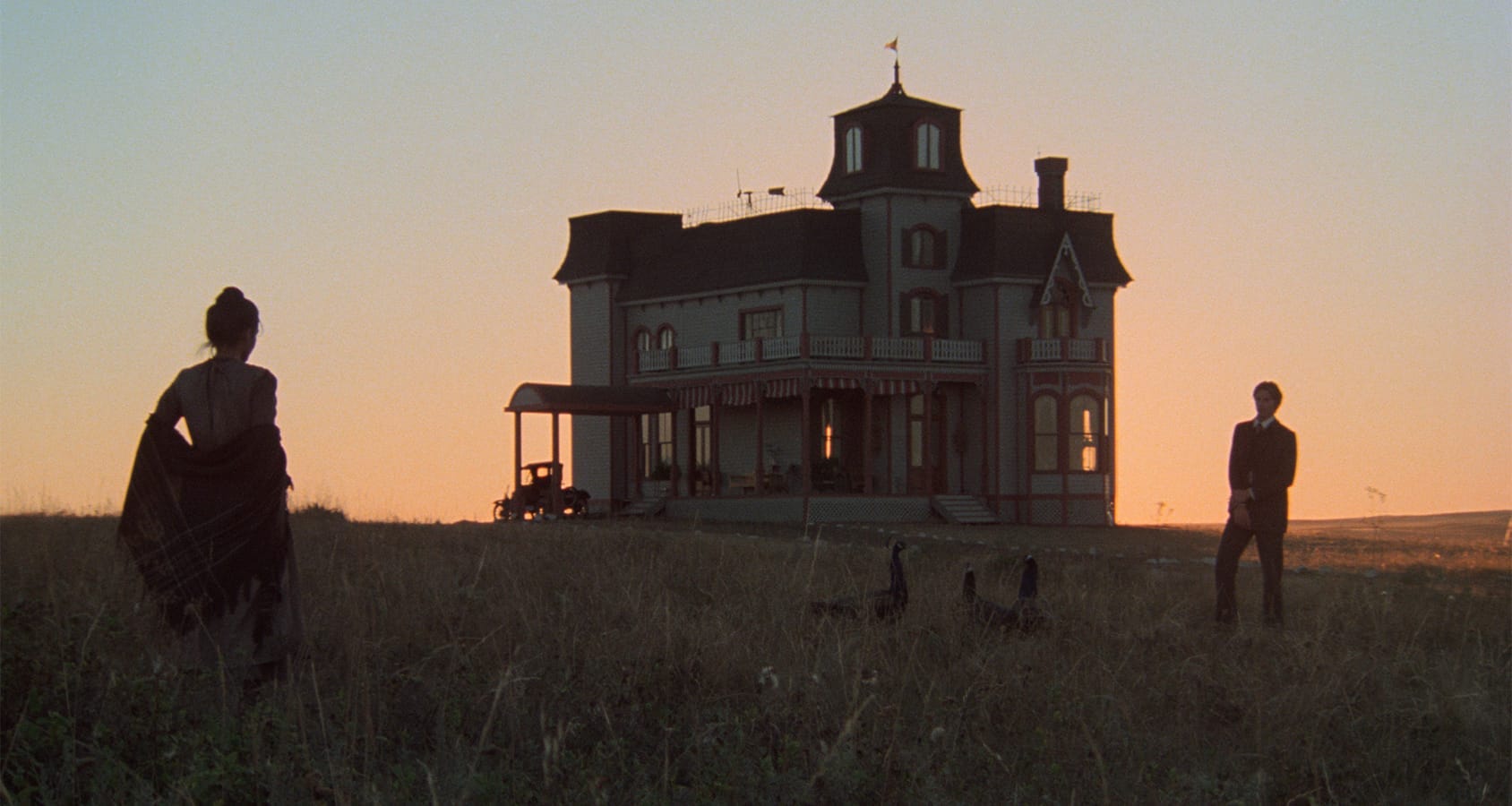
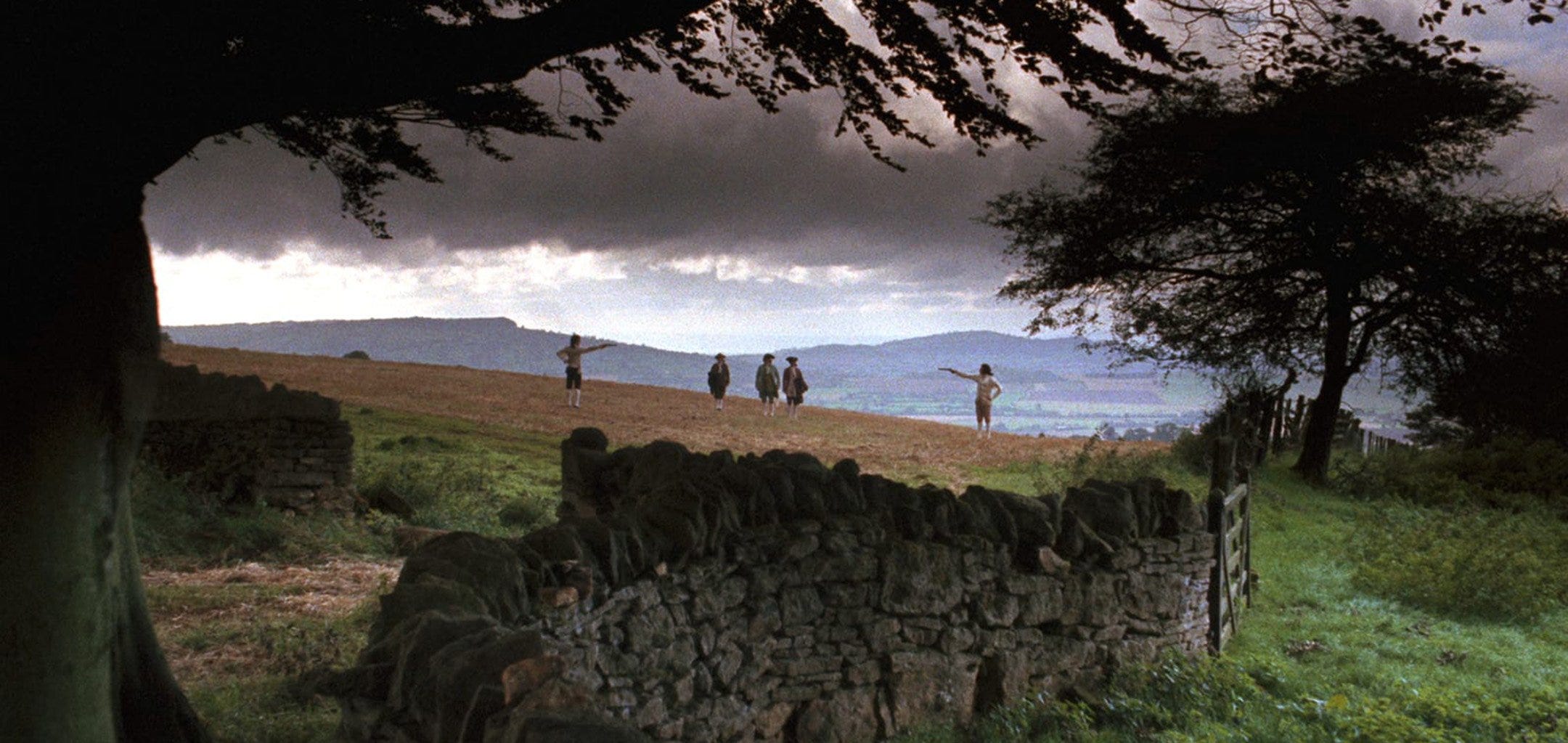
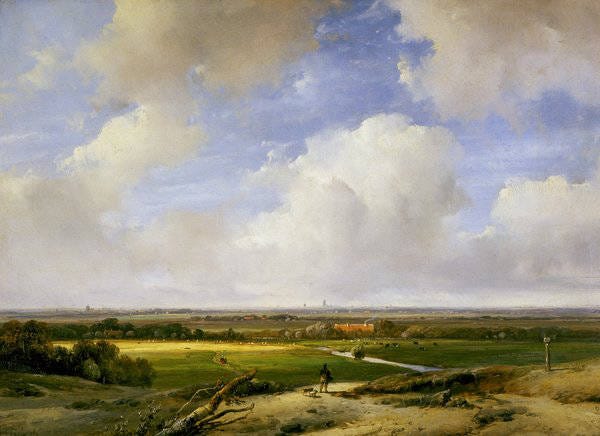
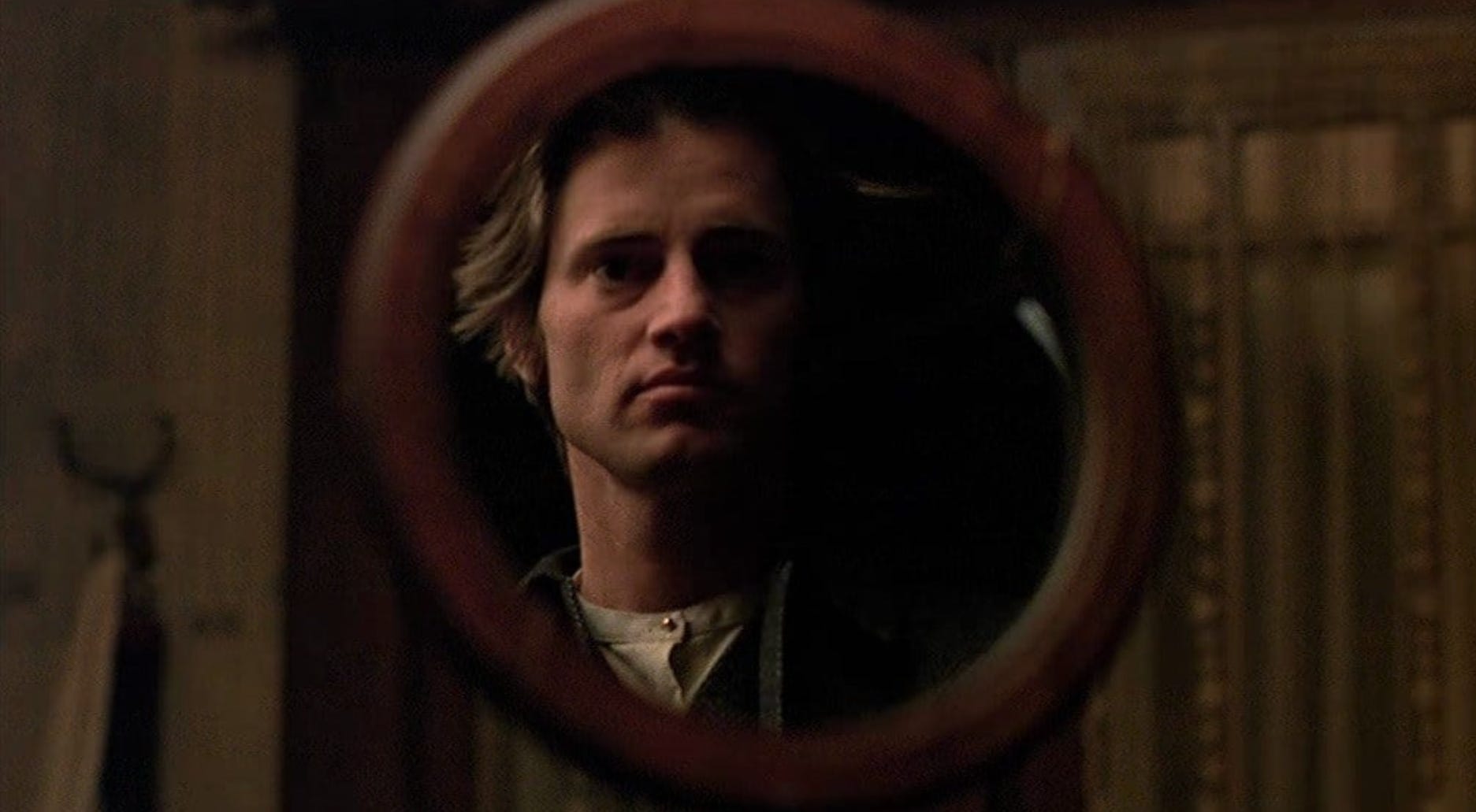
There is an amazing article in American Cinematographer on Néstor Almendros, Terrence Malick’s cinematographer for Days of Heaven. He talks a lot about their decision to use natural light as much as possible to mimic the great Dutch painters like Vermeer.
“Using natural light as often as possible meant using only natural window light for day interiors, like the great Dutch painter Johann Vermeer. For night interiors it meant using very little light, from a single justifiable source, such as a lantern, candle, or electric light bulb.” - Nestor Almendros
I love natural light so much.
Even when working on commercial projects, when the director decides to use natural lighting and the client agrees, it makes me so happy. Reading about Almendros’ use of lighting deeply inspired me to work solely with natural light, but also to think more critically about the lighting quality in North America. Almendros notes that the air is more transparent here, but much harsher than in Europe, which can create a shadowy sensibility when subjects are backlit.
During this time, I was also reading Isabel Wilkerson’s The Warmth of Other Suns, and in many ways I see how much inspiration I took from her genius writing. I really wanted to tell a classic American story, and her book resonated deeply while also helping with the mounds of research I had to do on The Great Depression.

As much as I wanted to portray a project that was very formalist in style, there is also something off-kilter about Invisible Moves. Thematically, there are a lot of darker elements at play, and I wanted that to come through in the mood board for my pitch deck.
In the midst of doing historical research, I came across Roy Stryker, a government official who led the Farm Security Administration (FSA). He hired well-known photographers like Gordon Parks, Dorothea Lange, and Walker Evans to document The Great Depression. These photographs were used to support New Deal policies by showing Americans the human side of poverty and displacement.
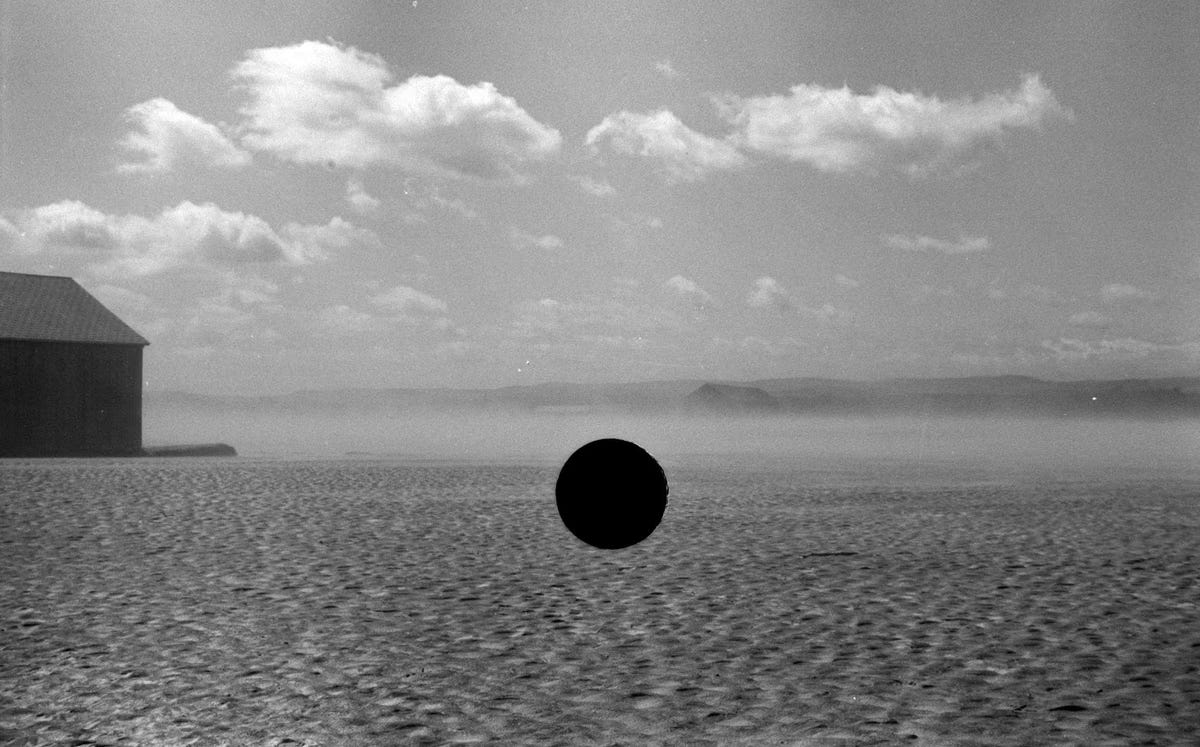
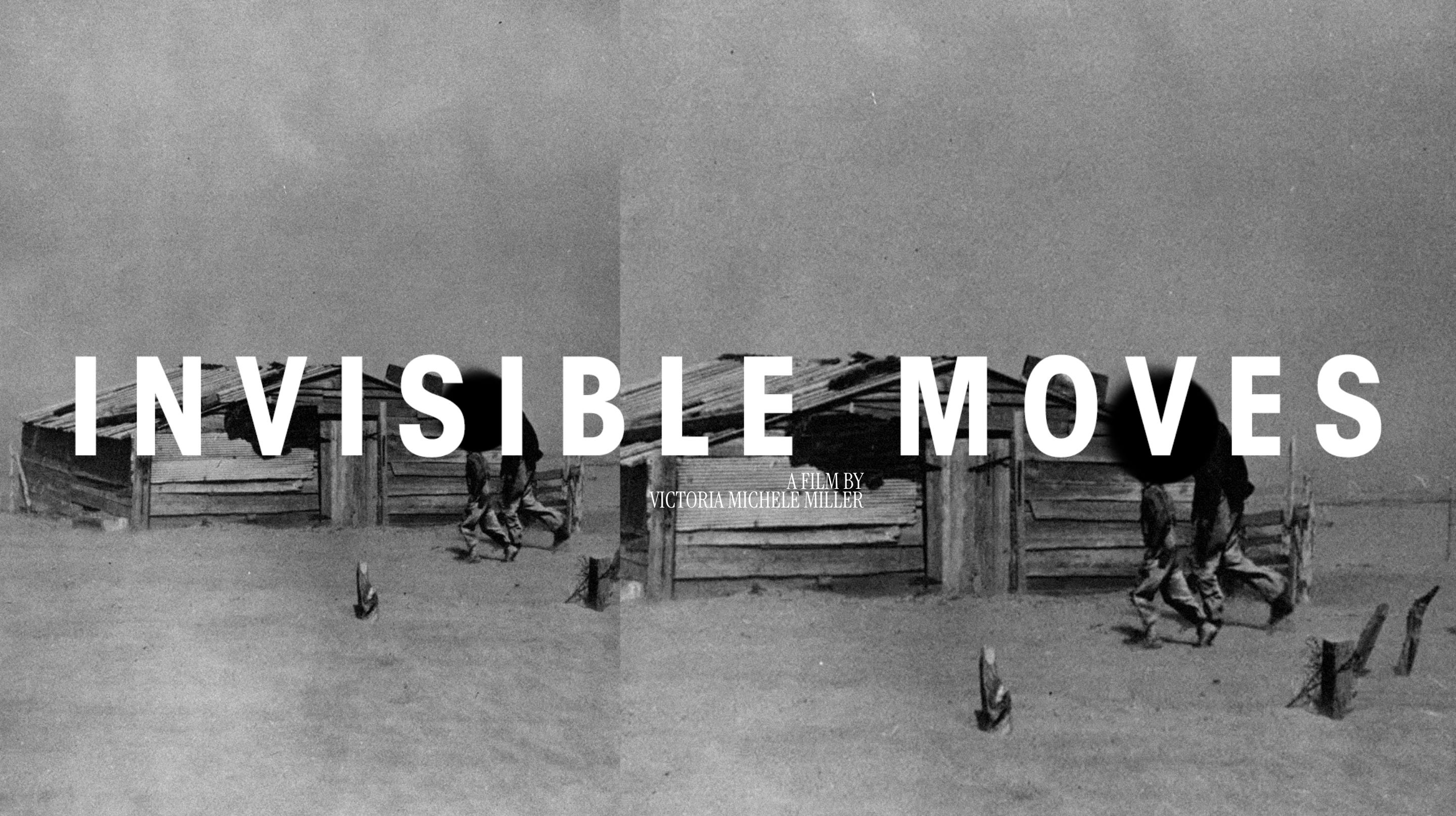
But Roy Stryker had a practice that drove photographers insane: when he rejected an image, he often took a hole punch and put it straight through the negative. He called this “killing” the photos so they could never be used again.
When looking at the hole-punched photos, they take on a new meaning and dimension. Some are strange, weird, otherworldly even. In one, he punches a hole in the middle of the sky so it looks like a dark moon.
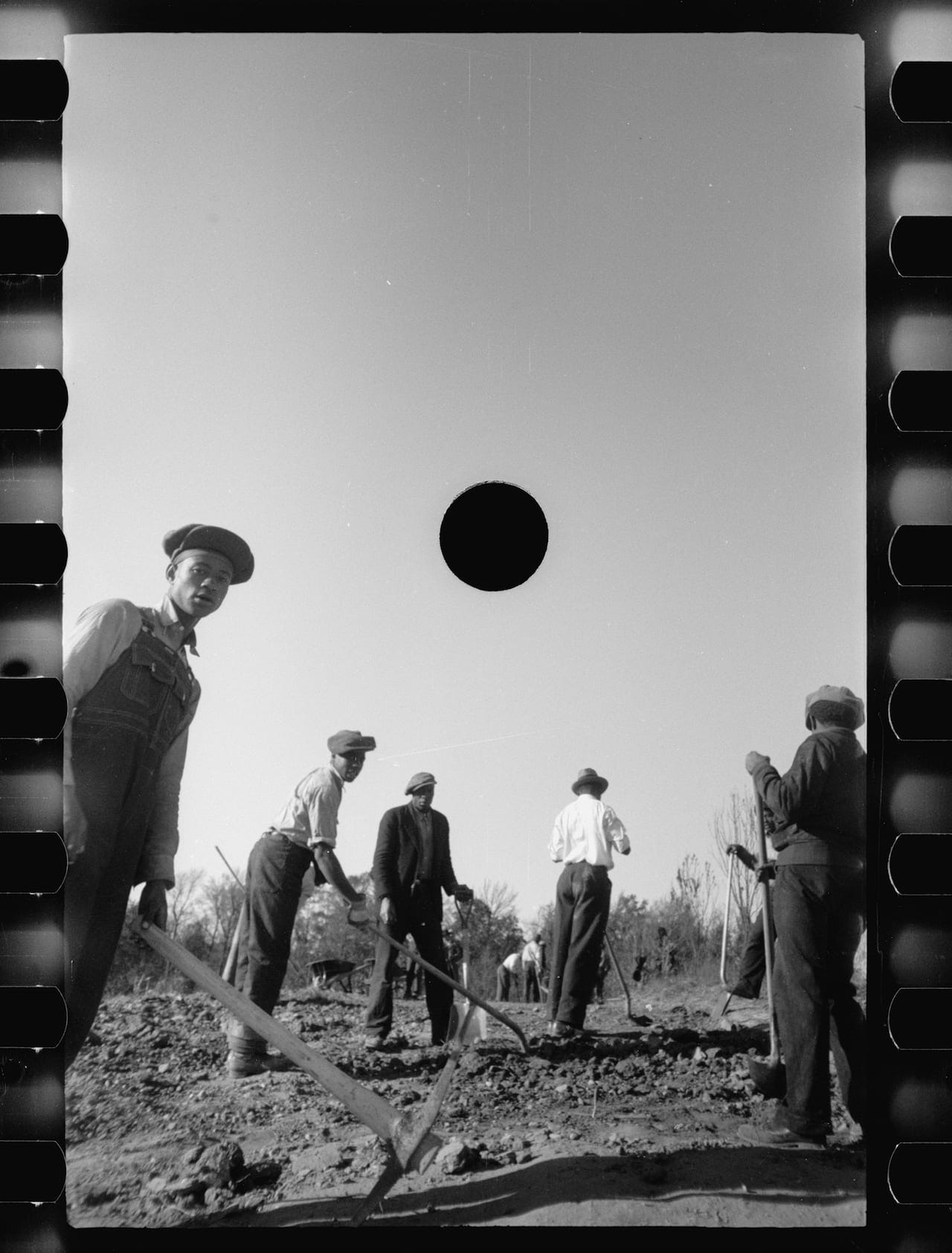
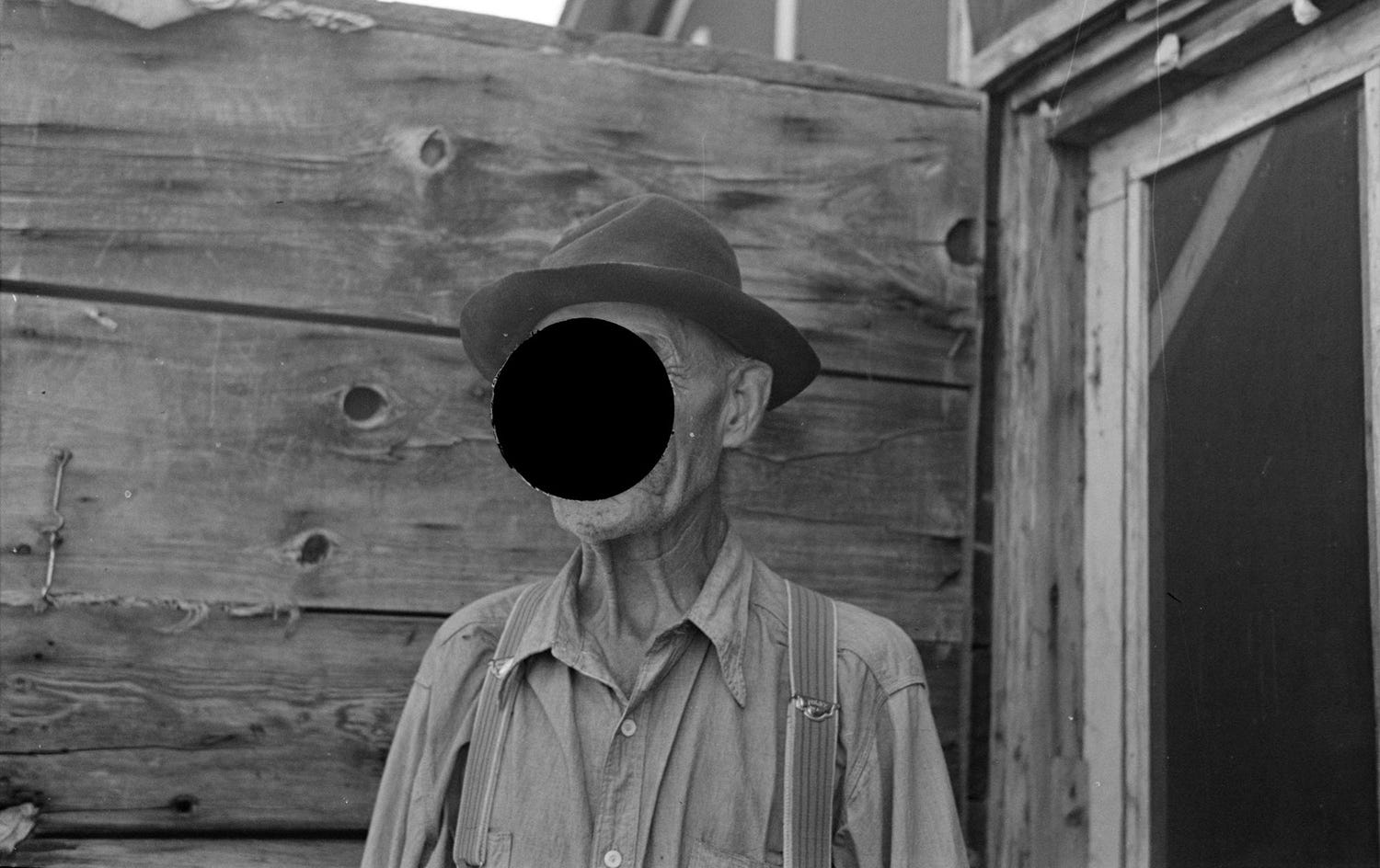
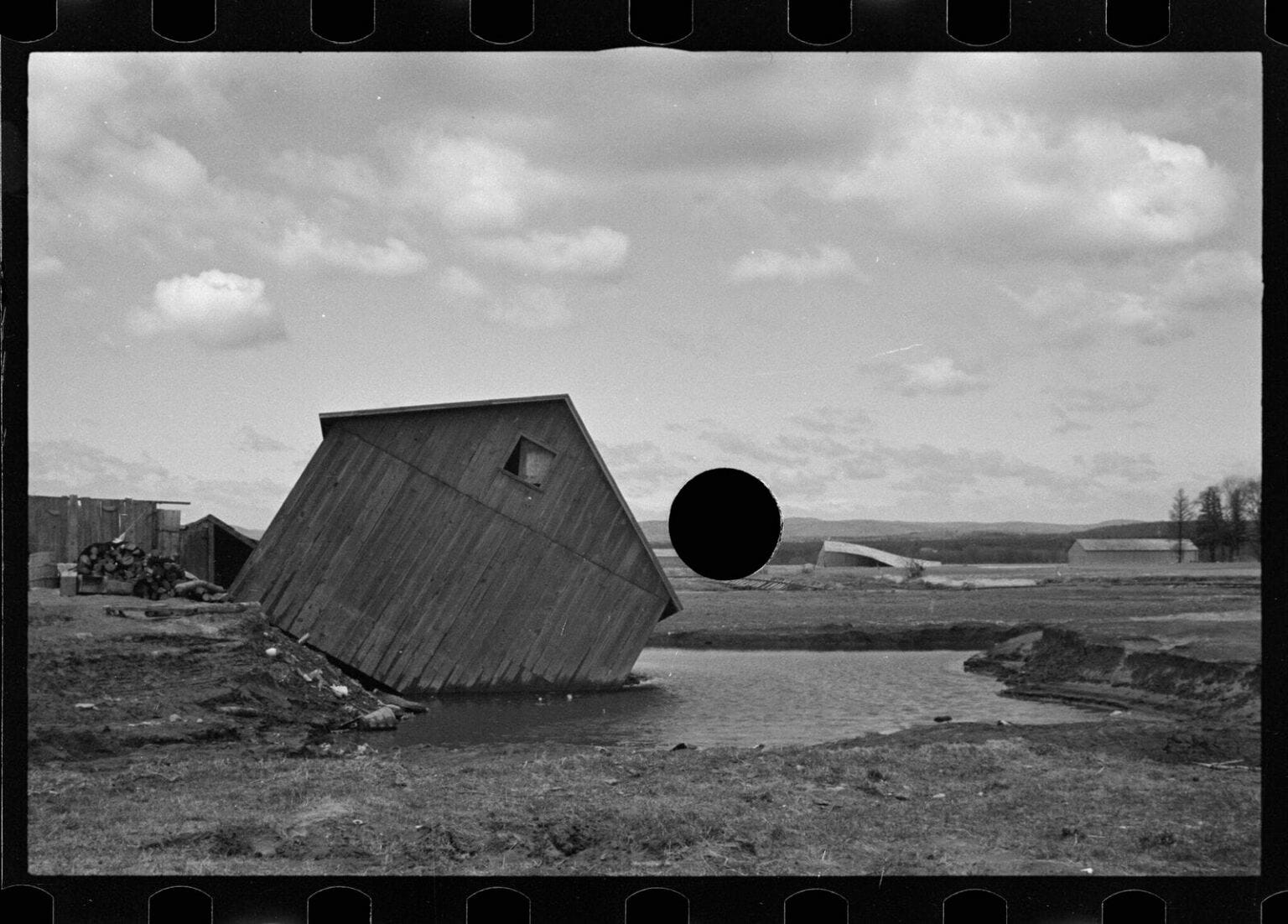
There was something sinister about what Stryker did; it feels almost sacrilegious to alter a photographer’s negatives like this. At the same time, shamelessly, these visuals captured the off-kilter tonality I was looking for.
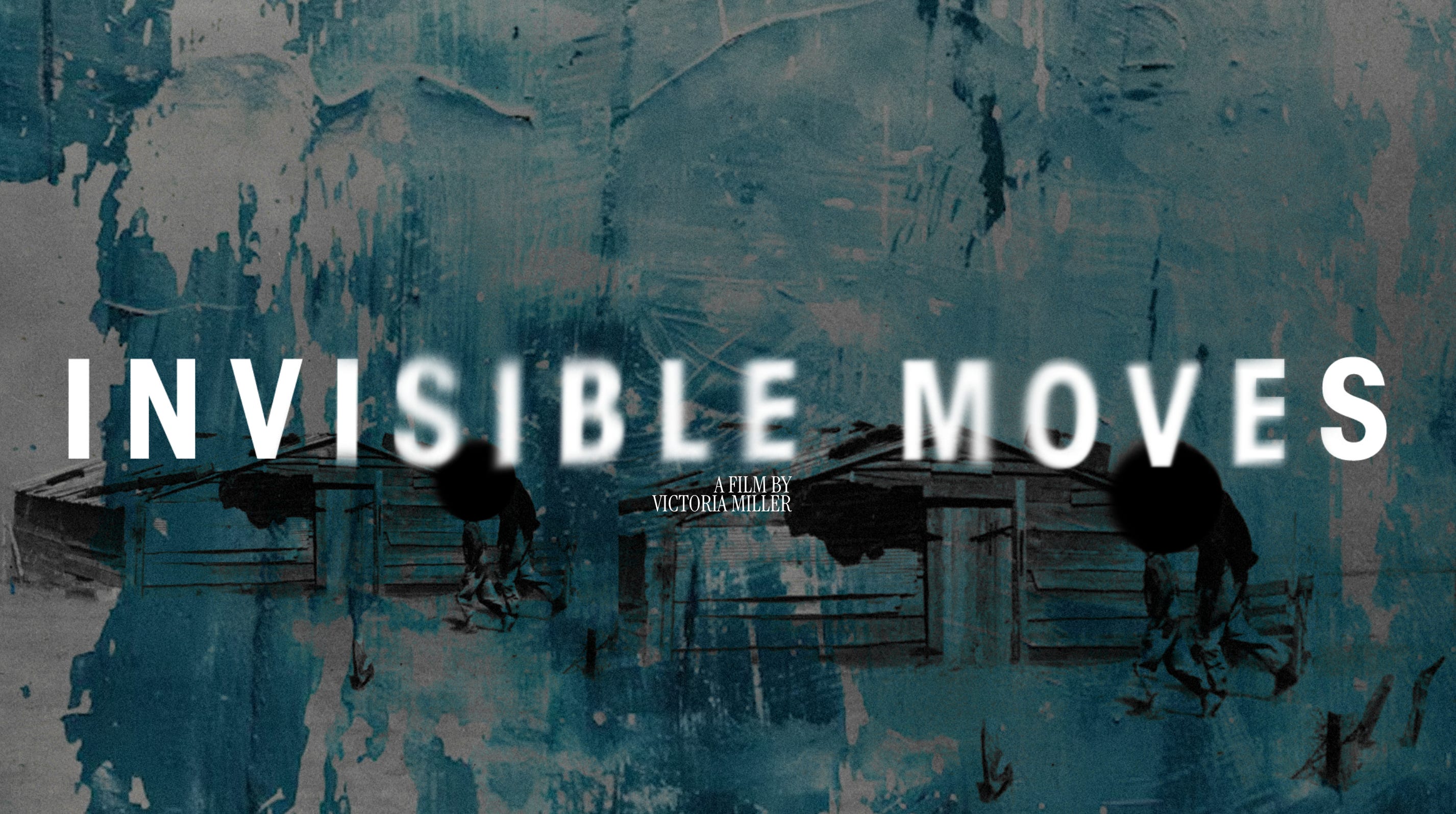
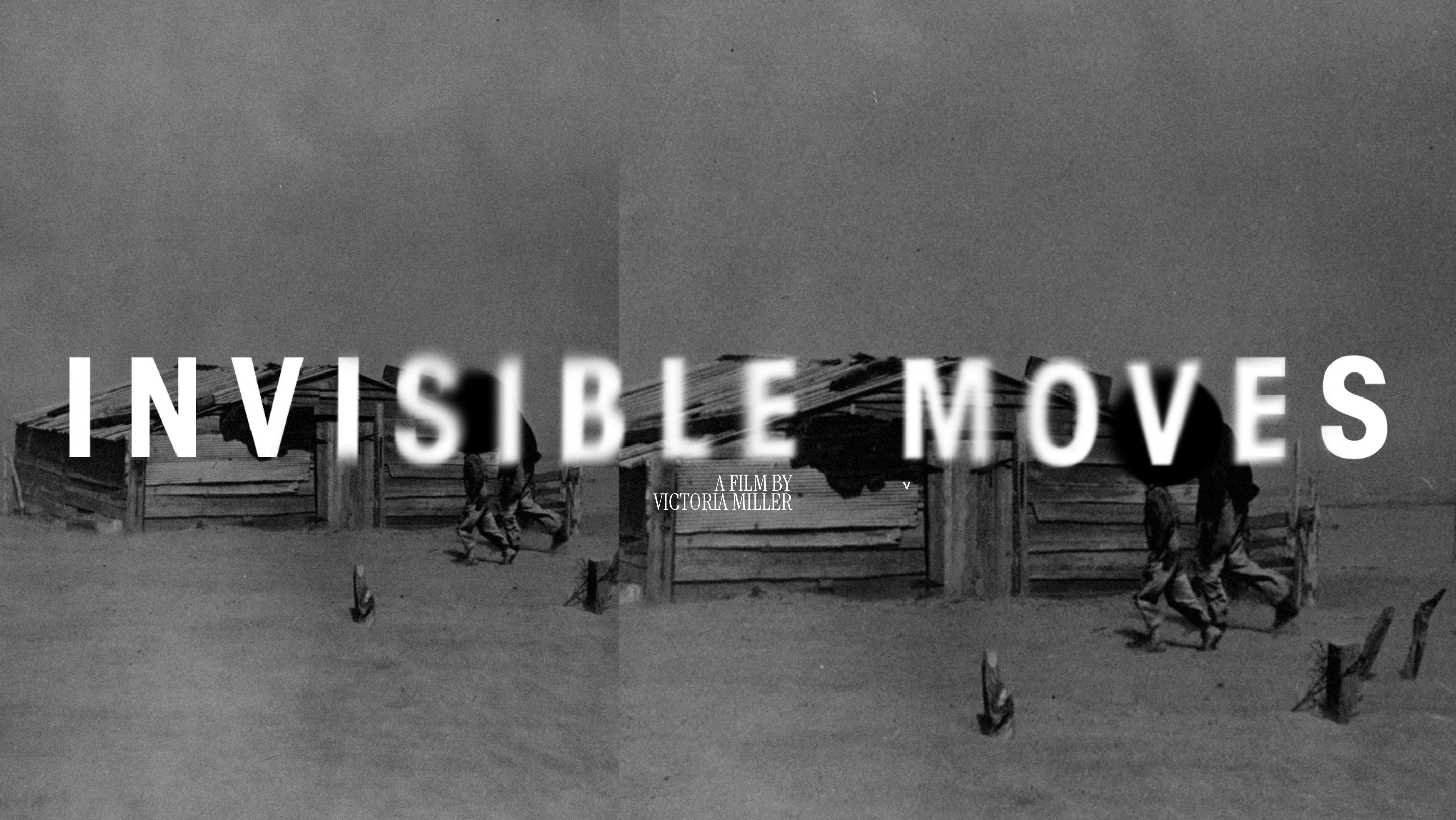
A designer I often collaborate with experimented with different visuals for the pitch deck. We came up with these for the cover page. I would love to use the first one as the visual for the poster, but getting one of these Stryker photos licensed as the face of the film would be wildly expensive.
The architecture during the Great Depression is something I’ve been thinking about a lot recently. I didn’t do a deep dive into architecture when I was writing the script, but it’s something I’m considering more now as we search for locations.
There aren’t many interiors in this film, but there are some scenes that feature a large farmhouse, which left my producer and me concerned that we wouldn’t be able to find something that worked with our shoestring budget, or that fit historically.
That is, until I came across a YouTube channel called Urban Exploring with Kappy. Kappy travels the states filming abandoned old houses. When he was in upstate New York, he filmed the Old Melvin Farmhouse, built in 1850. I thought to myself, “What if we filmed this house super wide, so the blown-out windows and graffiti wouldn’t be noticeable?”
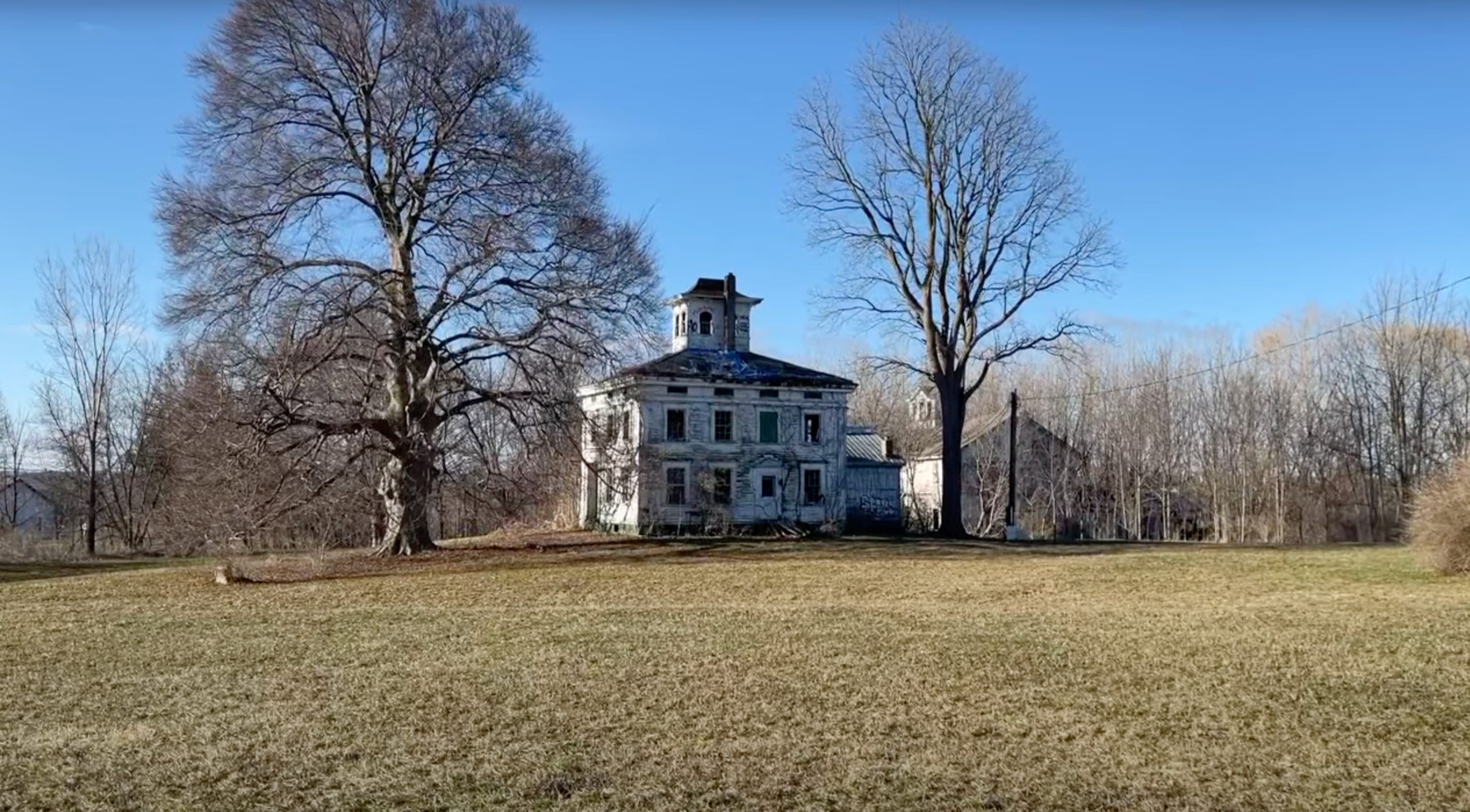
There’s also a rundown barn next to the house that we could film in, where we could shoot the actors up close and still capture the texture of the barn without revealing that we’re in a rundown property.
I understand this could be a little risky. Depending on who owns the property, it might be difficult to pull off, especially if we can’t get permits from the town. From what I’ve researched—there’s a whole Reddit thread on this house—people have tried to locate the new owners, and it’s unclear who currently owns it.
I plan on scoping it out to see what the lay of the land is, but the thought of potentially filming here is ideal.
This project is always shifting, taking shape in ways I hadn’t imagined. I am quietly surprised when something I pictured in my head finally manifests. It may look different from what I imagined, but it still fits, as if it had always belonged in the film. It reminds me that the pieces were always there, simply waiting for us to discover them.
Until next time, Once more unto the breach, dear friends, once more.
This is so fascinating. Thank you for sharing your process and teaching us all a little something in the process.
Natural lighting has a texture, a color temperature that electric lighting just can't give you.