

Stealing From Idols

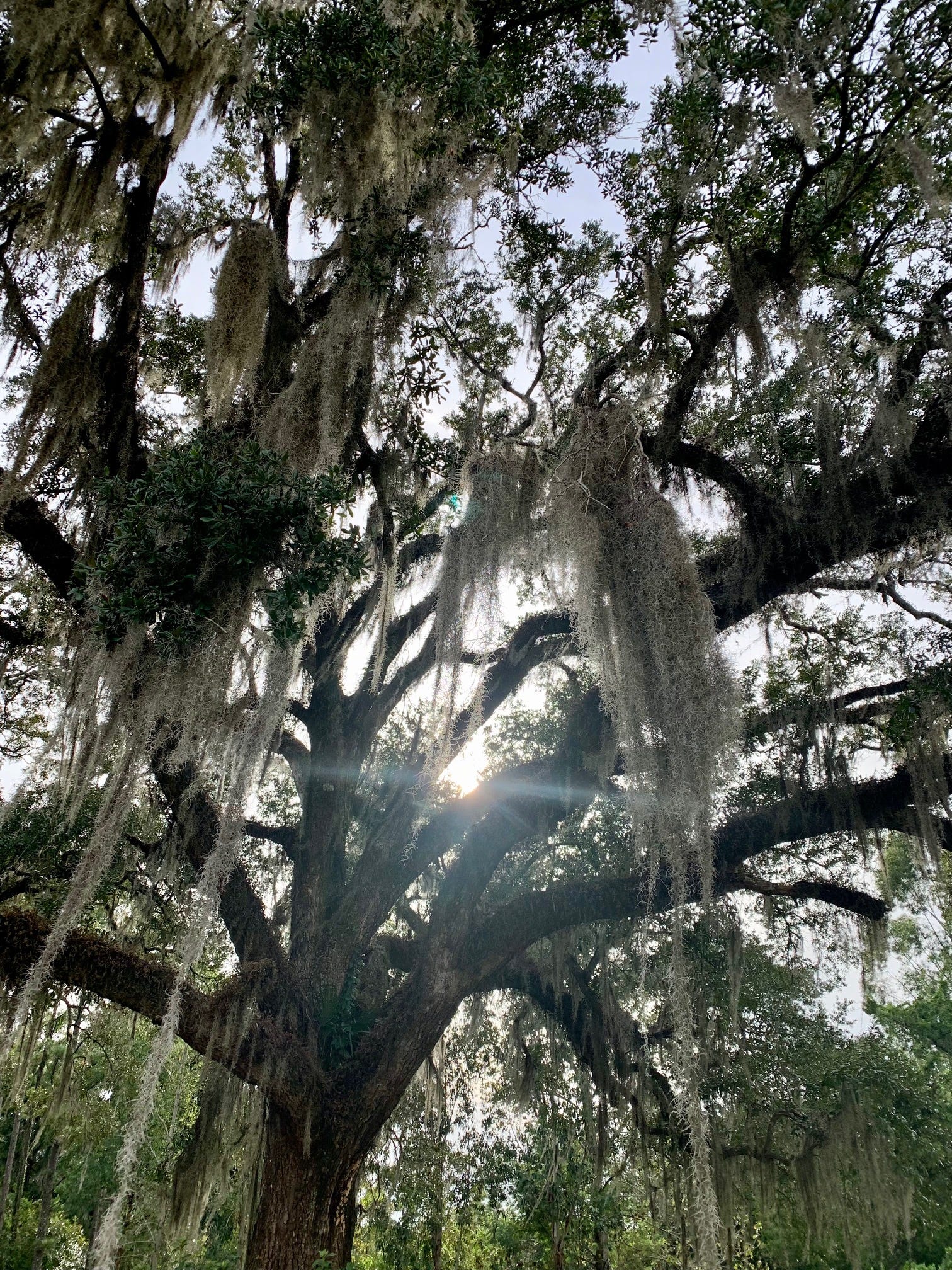
Last week, we decided that instead of shooting a specific scene, we would film something that feels more like a trailer.
Initially, this seemed too ambitious. I want this to be a one-day shoot to keep production costs low. But after considering the impact this could have in communicating the film’s tonality, it far outweighs the value of shooting just one scene.
There was a discussion around filming a few snippets of different scenes, but making sure that the majority of these shots were held together by voiceover. Initially, I liked this idea, but as the meeting went on, my mind slowly began to think of ways this could feel like a Terrence Malick ripoff.
I never expected the first film I would consider making would be a period piece. I have other projects I’ve written that are a lot easier and cheaper to make. The feasibility of getting a historical film made felt mildly believable because most of the scenes are exteriors, and the cast only centers around two main actors.
But in many ways, nature is a large part of the story—almost a second character. And because of this, anything that combines historical drama, nature, and voiceover hinges on Malickian territory (at least in my mind).
This started making me think about influence, particularly around artists who pay homage to their idols while still making a piece of work their own. The work I resonate with the most is the ones that whisper to another artist. It’s there and not there at the same time. Their voice doesn’t get lost in other artists’ work, but somehow it strengthens their own.
Some filmmakers are very adept at doing this. There’s the sense that their vision is bringing something new to the forefront, but at the same time, you can see glimmers of their heroes.
I’m not going to pretend I understand how this happens. But part of me feels like it’s their ability to access ideas. The ability to articulate what’s happening within themselves internally while still making connections to history, politics, and culture at large. They’re able to see larger trends, bank them, and use them later until their visions are fully formed.
In an interview I can’t find, Kendrick Lamar said his ideas are channeled to him; he’s just the vessel through which his lyrics are communicated. Rick Rubin also writes about this creative ideology of “channeling” in his book The Creative Act: A Way of Being.
In some ways, this is tied to the word ‘genius,’ which has origins in ancient Rome. It was believed that at birth, each person was given a guiding spirit that stayed with them throughout the course of their life. Because this spirit was born with the person, it was called ‘genius’ from the Latin verb gignere, which means ‘to give birth.’ A person's genius dictated their specific personality and characteristics. Any talent that was seen as exceptional was due to their ‘genius.’
Similar to Lamar’s sentiments about his creativity, there’s the sense he’s saying his talent was given to him from another source, a spirit. And I think, in many ways, this is why the act of creativity has been stereotypically associated with being “out there.”
I’m speaking generically, and of course, the word “creative” is taken more seriously these days. But the stereotypical persona of a creative was someone who was less grounded, ethereal, and flighty. And if we look at that through the original meaning of ‘genius,’ that’s because creativity dealt with higher things, up there, like in spirit things, a form that you couldn’t see but existed somewhere in the cosmos, waiting to be pulled into reality.
So, how do I do this? How do I make the trailer in my own voice and vision while still speaking to Malick?
John Bleasdale, the author of a new Terrence Malick book, The Magic Hours: The Films and Hidden Life of Terrance Malick, discussed on the Cinematologists Podcast that after speaking with several Malick collaborators, Malick had big questions around religion and philosophy (themes he was obsessed with) on set, while they were shooting, and in the editing suite. These questions became constant reminders of why things were being done as they made the film.
When you watch Malick’s work, you feel the sense that he moved cinema forward in some way. Across his films, you can feel there’s a spiritual “holiness,” as Bleasdale describes it, even in mundane moments.
Part of this is due to Malick’s genius, but also his ability to ask large philosophical questions to the crew during production or to the editors during post; these themes become imbued not just within the film, but the production itself.
I don’t know if this answers my own question, but his method of production reminded me that as you continue to ask yourself what the themes of your work are, what questions you were trying to answer as you spent countless months or years writing a script, how can those questions take on a larger part of the process during production? A part of me knows there’s more to it than that, but I like this idea of keeping the big questions at the forefront of everyone’s mind, to create this movement toward further distinguishing your voice, which ultimately becomes a chorus.