

On Landscape and Aura
Notes on location

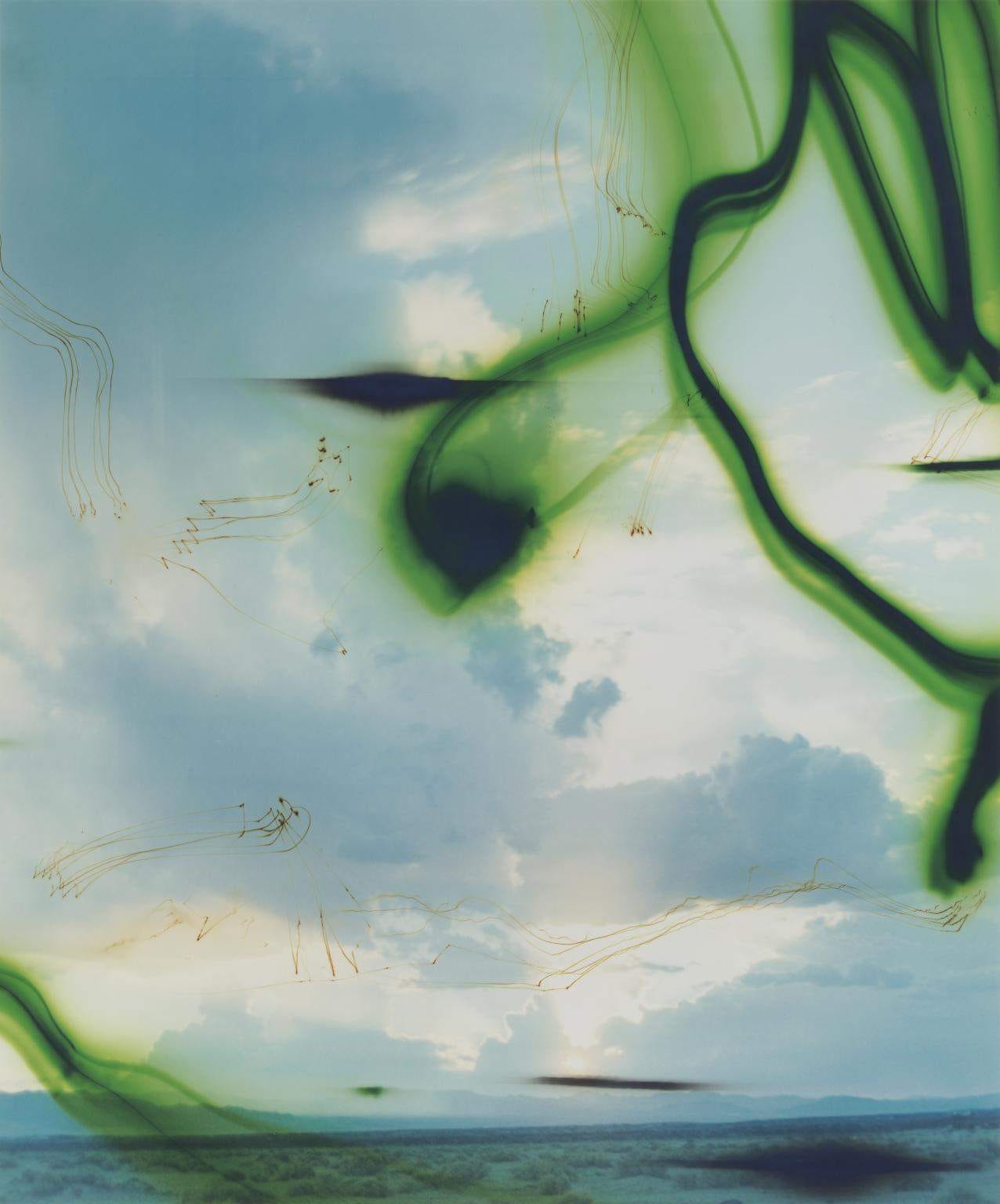
After weeks of searching for a location, I think we finally found something that looks ideal. We still need to scout it in person, although that probably won’t happen for a few weeks since it’s more than 3 hours outside of New York.
Most of this project deals with exteriors, and I knew it would be tricky finding something that had the right look and feel for the time period, but this seems to hit the mark.
Also, an added bonus is that if this location works out, it would be $47 per day. Unheard of. If you’re in need of rural landscapes for your projects, I highly recommend checking out HipCamp. It’s essentially a camping site, but it’s worth asking the owners if you’re allowed to film on the grounds. From what I’ve found, most will say “yes” without increasing the charge due to filming. Some of the listings are as low as $25 per day.
Location line items can usually eat up a good portion of your budget depending on where you’re filming. Not having to worry about permit or location costs is a dream, and it frees up a lot of the budget to allocate toward other things.
Searching for a location has me thinking a lot about composition and landscape photography. What I’ve been finding is that much of my thinking around how to film landscapes is actually linked to photographic references.
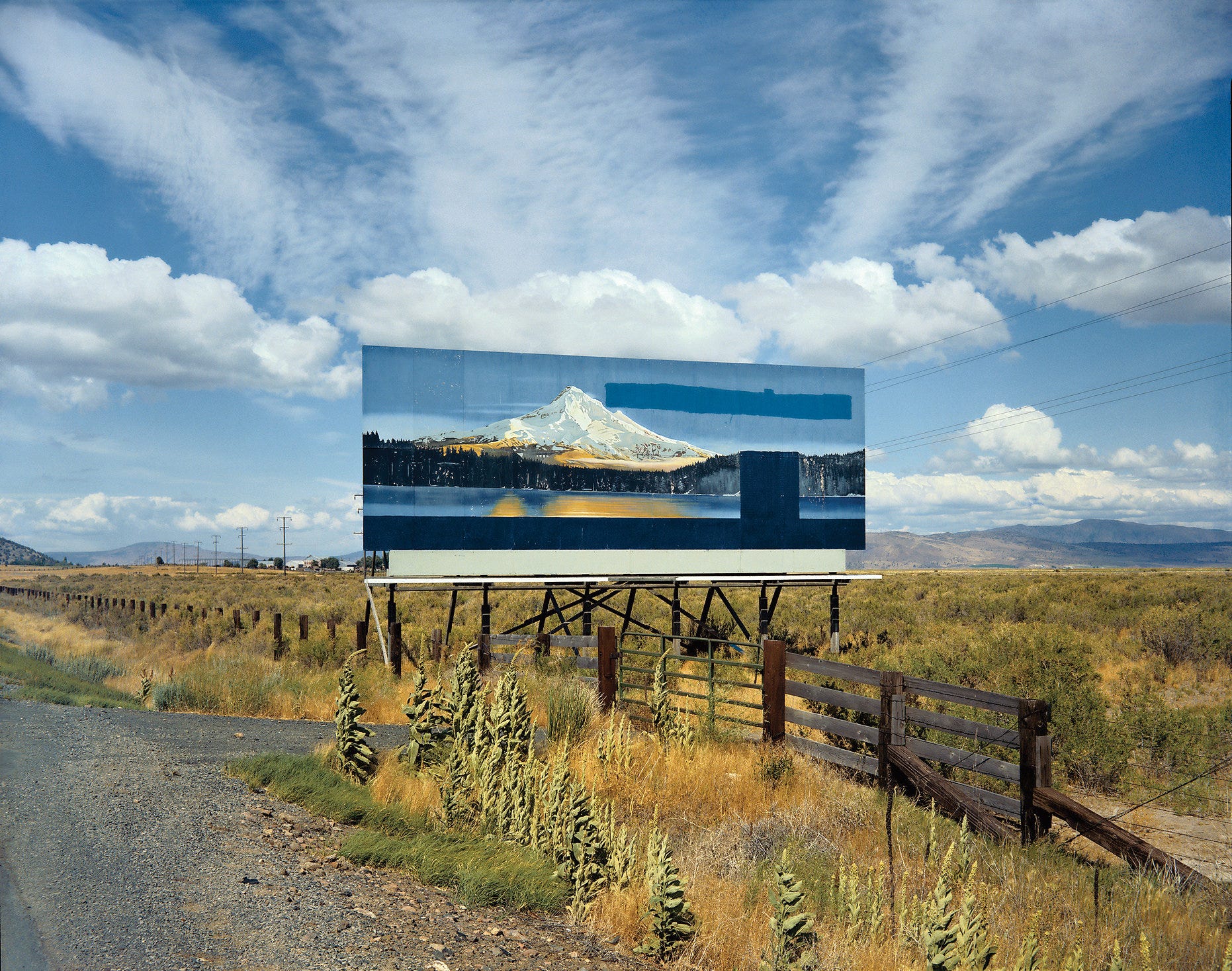
I went through a huge phase when I was younger where I thought I wanted to be a still photographer. I always loved Stephen Shore and William Eggleston’s photography because their visual thesis was extremely clear to me. They also showed me that there is beauty in the mundane.
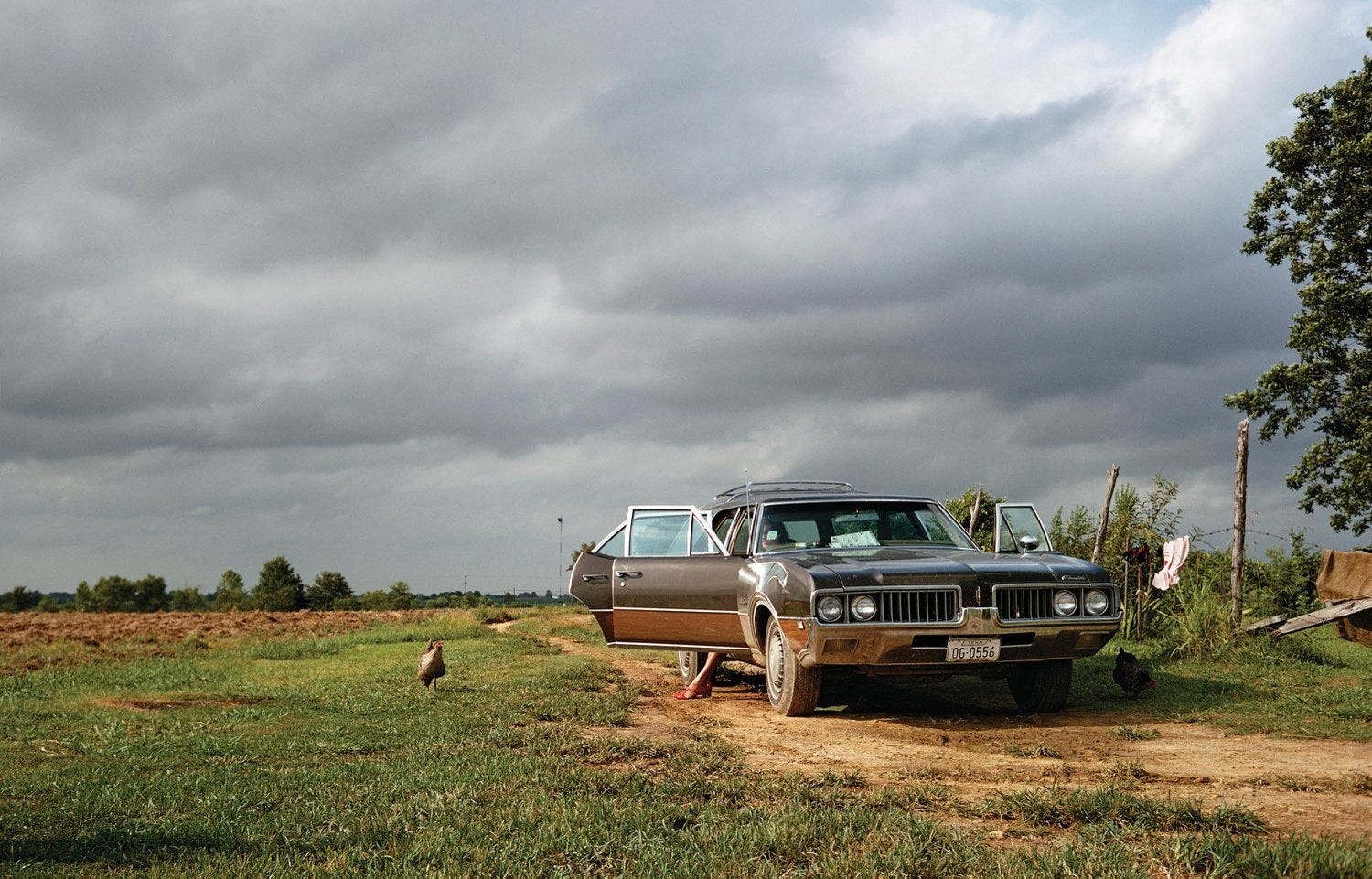
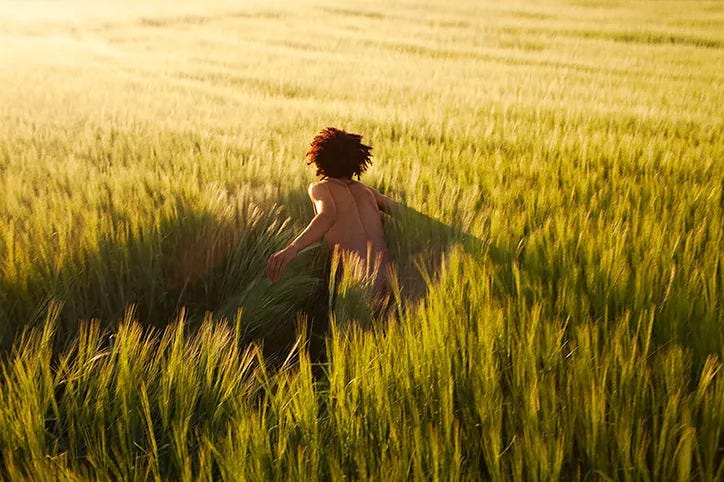
As I got older, I discovered Ryan McGinley’s photography. Even though McGinley isn’t necessarily known as a landscape photographer, I always think of him that way. The way he showcased his subjects was often in rural parts of America, with open expanses, and models, some of them his close friends, who conveyed youthful optimism.
You can literally see the movement in McGinley’s photography, the leaves and grass moving alongside his subjects. You are there with them. Across his body of work there is a distinct aura, particularly in the way landscapes are portrayed. They easily become the second, if not the first, subject in his work. This is something that I really want to instill when I’m filming, this sense that landscape is a second character:
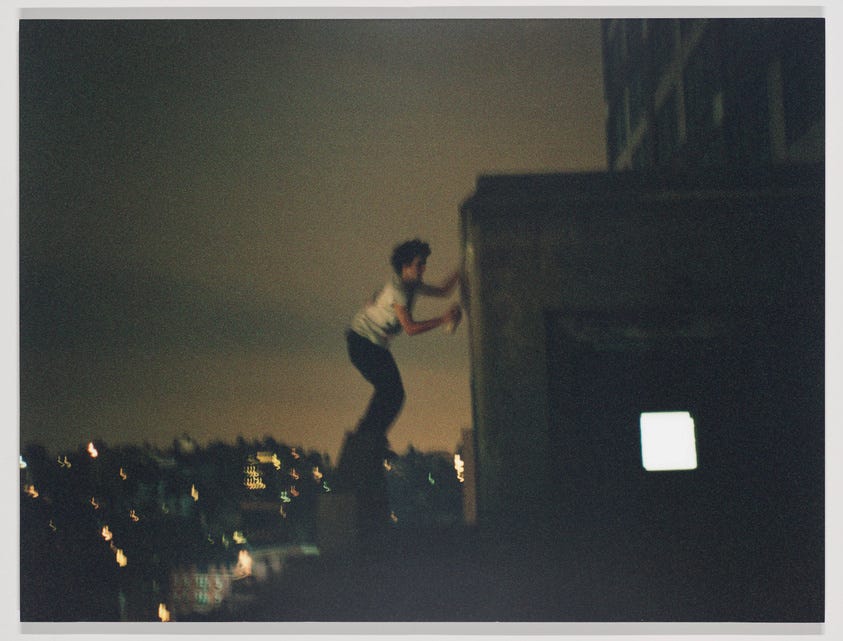
Some of McGinley’s earlier photographs left an incredible impression on me during my early twenties. His photograph of Dash Snow tagging the side of a building is still one of my favorites of all time. It always felt like nostalgia in a finite moment, and it looks more like a painting:
I’ve found myself going through all of these images because I want to take what I’ve learned from these artists and reinterpret it in my own way.
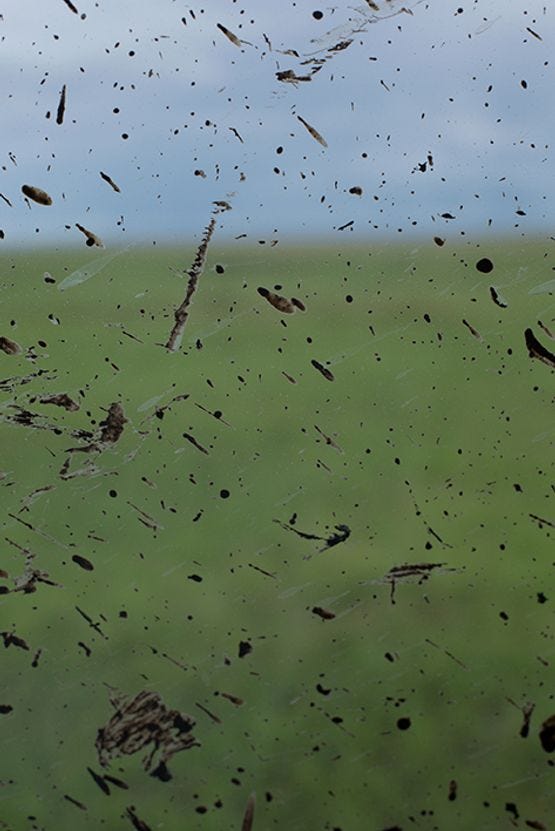
As much as I love the great classical and formal photographers, especially when it comes to composition, I keep gravitating toward artists whose work feels more personable and slightly off-kilter.
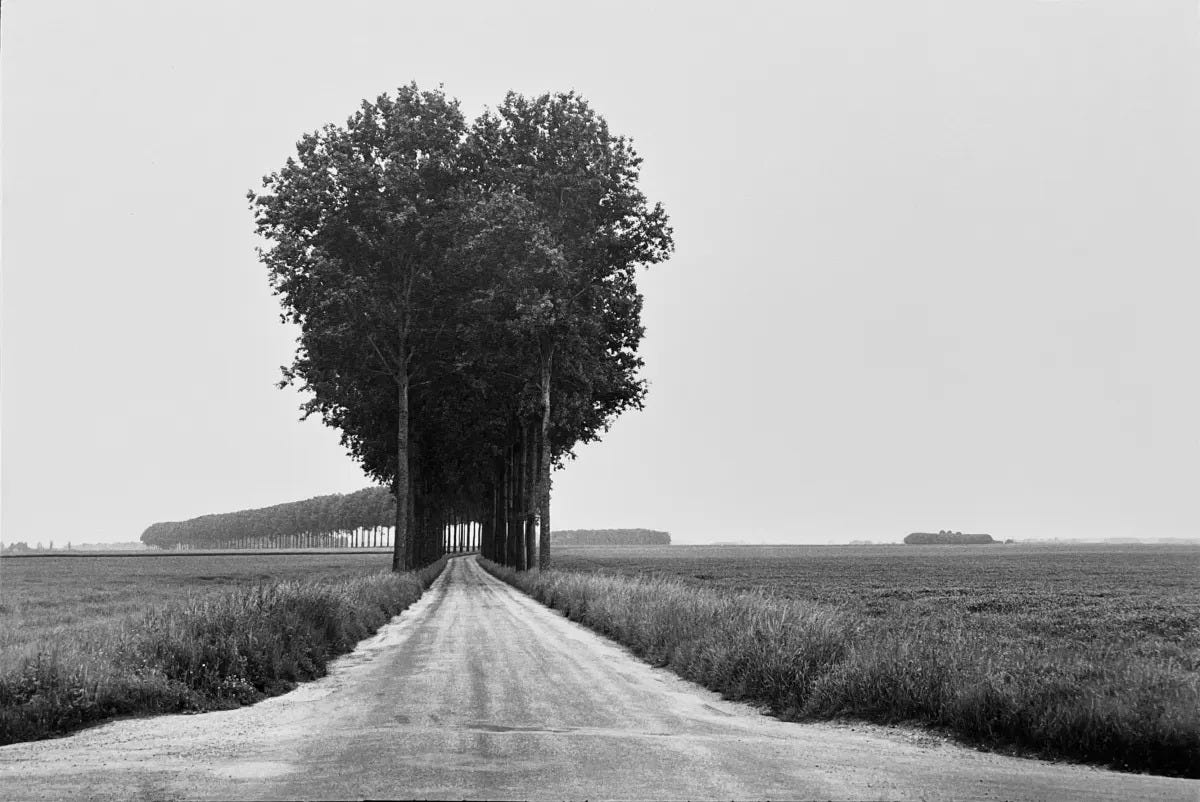
I think it is because I’m big on auteurism, and I can clearly see the photographer’s personality in their work. These photographs taught me so much about seeing things differently, particularly that there is something interesting to say in the mundane, and that even fleeting moments can look majestic.
I want to find a way to carry forward the aura that these photographs give me while making it something original to my own vision. This has been on my mind a lot this past week, and part of the beauty of it is that, even though I can study all of these references, I won’t know exactly how they will visually express themselves until production begins. Some influences may emerge subtly, others more directly, but their presence will only reveal itself once filming starts.
The article read very much like still photos to me— beautifully said.
Hipcamp is such a good idea! Excited to see some images when you get up there to shoot.